
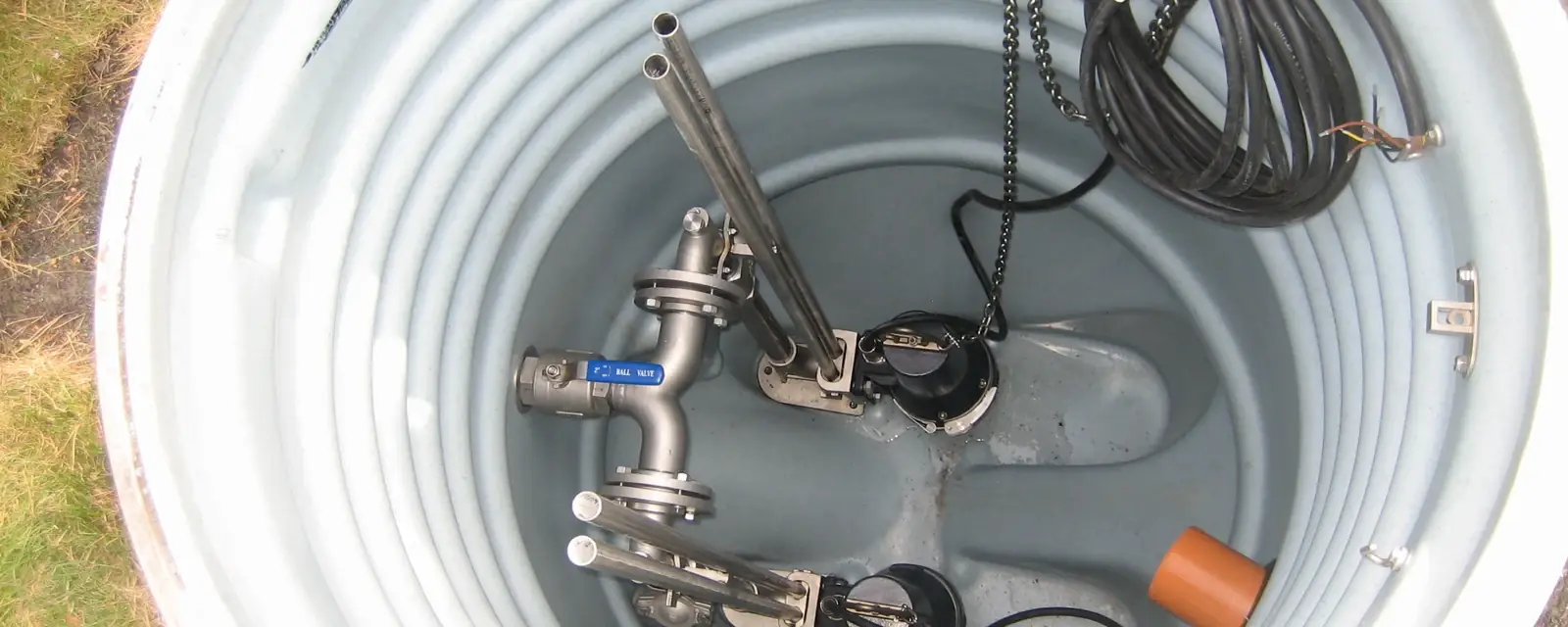
Water at the floor edge, a pump that never stops, or a damp basement smell
Water seeping in along the floor edge during a storm, a pump that runs nonstop or stays silent, or a damp-smelling basement all point to a sump system that is not keeping up. That is urgent in Millburn, NJ, so call the 24/7 line for sump pump repair. While you wait, stay out of standing water near outlets and lift belongings off the floor.
The cause is often one small part. A float stuck against the pit wall, a failed check valve, a tripped outlet or a dead motor will each look the same from the stairs. Our licensed plumbers find which one it is, repair or replace the pump, and test it before leaving. Same-day and after-hours calls are what the 24/7 line is for.
A damp smell without visible water is a clue too. An uncovered pit adds humidity to the air, a floor drain trap that has dried out lets sewer odor in, and a pit that sits full all day signals a pump that is not clearing it.
What Ida showed about basement water in Millburn
On the night of September 1, 2021, the remnants of Ida pushed the West Branch of the Rahway River into Millburn's streets. In the South Mountain area, basements filled with water and sewage. Floyd in 1999 and Irene in 2011 had flooded the township before that, so three major storms in twenty-two years is a pattern worth planning around.
A sump pump deals with groundwater and seepage collected at the pit, not a river climbing over its banks. That limit shapes the real decisions. Pick a pump with a working check valve, add a battery backup for the power cuts that storms bring, and know the difference between clear groundwater and sewage. Sewage in a basement means stop using water and call.
The same West Branch starts at Crystal Lake in South Mountain Reservation, which reaches into West Orange. A heavy rain on that hillside upstream is the same event your basement faces downtown, so test the pump before the forecast, not during it.
Pit filling and the pump is silent?
Stay clear of standing water, then call the 24/7 line. Same-day repair is offered when parts allow.
Sump pump or sewage ejector, which one is yours
The two look alike from the stairs, but they do different jobs. A sump pump removes groundwater from a pit, usually with a drain tile connection. A sewage ejector lifts wastewater and solids from a basement bathroom, laundry or sink up to the sewer line. Treating one like the other is how people end up with the wrong repair.
| Feature | Sump pump | Sewage ejector |
|---|---|---|
| What it handles | Groundwater and storm seepage | Wastewater and solids from basement fixtures |
| Basin | Open or lidded pit, often tied to drain tile | Sealed basin with a gasketed lid and a vent |
| Discharge | Outside, away from the foundation | Into the home's drain line |
| Smell | None in normal use | Odor means a lid, seal or vent problem |
| Failure sign | Water at the floor edge, constant running | Slow drains or sewage backing up in the basement |
Sewage ejector replacement follows the same logic as a sump swap. The pump comes out of the sealed basin, a new one goes in with a new check valve if needed, and the lid and vent are checked. A cracked basin or a bad lid seal is a bigger repair.
Choosing a pump, check valve and discharge
A submersible pump sits in the pit, runs quietly and handles being under water. A pedestal pump keeps its motor above the pit, which makes it easier to service but louder and more exposed. Either can work, and the pit size, the amount of water and your budget decide which one fits.
The check valve sits on the discharge pipe and stops water in the line from dropping back into the pit. When it fails, the pump short cycles and you hear a thump as water falls back. Discharge routing matters too. The water must go well away from the foundation or it will return.
Rules on where the discharge may go vary, so ask the Millburn building department before changing the route. Do not point it at a neighbor or toward the foundation of your own house.
What a sound sump set-up has
- Pit large enough for the float to move freely
- Check valve on the discharge line
- Discharge routed away from the house
- Outlet on its own protected circuit
- Lid on the pit to cut humidity and odor
Battery backup for storm power cuts
Storms that bring heavy rain also tend to knock out power, and a pump with no power is just a bucket. A battery backup runs a second pump, or the main pump, when the outlet goes dead.
Its battery has limited capacity and needs periodic testing and replacement, so it buys time rather than solving a flood. Make that decision before the next storm, not during it. A plumber can size the backup to your pit and tell you how long it should run.
Testing the pump and reading the float switch
Check the power
Confirm the pump is plugged into a working outlet and that any GFCI has not tripped.
Fill the pit
Pour a bucket of water slowly into the pit until the float rises.
Watch the cycle
The pump should start, empty the pit and shut off without chattering.
Listen at shutoff
A hard thump as the pit refills means the check valve is not holding.
Look at the float
It should rise and fall freely, not rest against the pit wall or the pump.
Unplug the pump before reaching into the pit. If it fails any of these checks, call. A pump that runs but moves little water is as bad as one that does not run.
A pump that runs constantly usually has a float stuck up, a check valve letting water fall back, or too little pump for the water arriving. One that never runs may have lost power, have a float stuck low, or have a burned-out motor. The test above separates these quickly, which is why it belongs on the calendar before each wet season.
Signs the pit needs service
Do not wait for the next storm
- Water in the pit that stays high after a storm has passed
- A pump that turns on in dry weather
- Grinding, rattling or a motor that hums without pumping
- Sludge, gravel or rust visible in the pit
- A frayed cord or a cracked discharge pipe
- Dampness or odor in the basement returning each season
A pump that works but cycles constantly in wet weather may be undersized for the water in your yard. Add basement waterproofing to the conversation when the water keeps arriving faster than the pump can move it, and use leak detection when the pit fills on dry days, since a supply leak can look like groundwater.
What shapes the price of a sump or ejector repair
The price depends on what failed and how the basin is set up.
Homeowner insurance often excludes groundwater seepage and sewer backup unless you have a specific endorsement. Check your policy before a storm.
Call for a clear price before work starts.
Frequently asked questions
Yes. Storms do not wait for business hours, and the 24/7 line is answered at any hour. A licensed plumber is dispatched, and no one can promise an arrival time. Keep clear of standing water.
Groundwater is rising faster than the pit can clear it, or the pump is not running. A plumber checks the pump, float, check valve and discharge. A waterproofing contractor handles wall cracks.
In a heavy storm, yes. In dry weather, no. A stuck float, a failed check valve or a pump too small for the water can cause it, and a plumber can tell you which.
Check the outlet, the GFCI and the breaker, then see whether the float moves freely. If the pump hums without pumping or does nothing at all, call for service.
Test it before storm season and after any long dry spell. Pour water into the pit and watch the cycle. A battery backup needs its own periodic test.
Yes. The pump is replaced in its sealed basin, and the check valve, lid seal and vent are inspected. A cracked basin is a larger repair.
Rules vary, so ask the Millburn building department before changing the routing. As a practical matter, the water has to end up well away from the foundation.
Often not for groundwater or sewer backup unless you hold a specific endorsement. Check your policy, and photograph damage before cleanup.
Still have a question? Call the 24/7 line and talk it through with a dispatcher.