
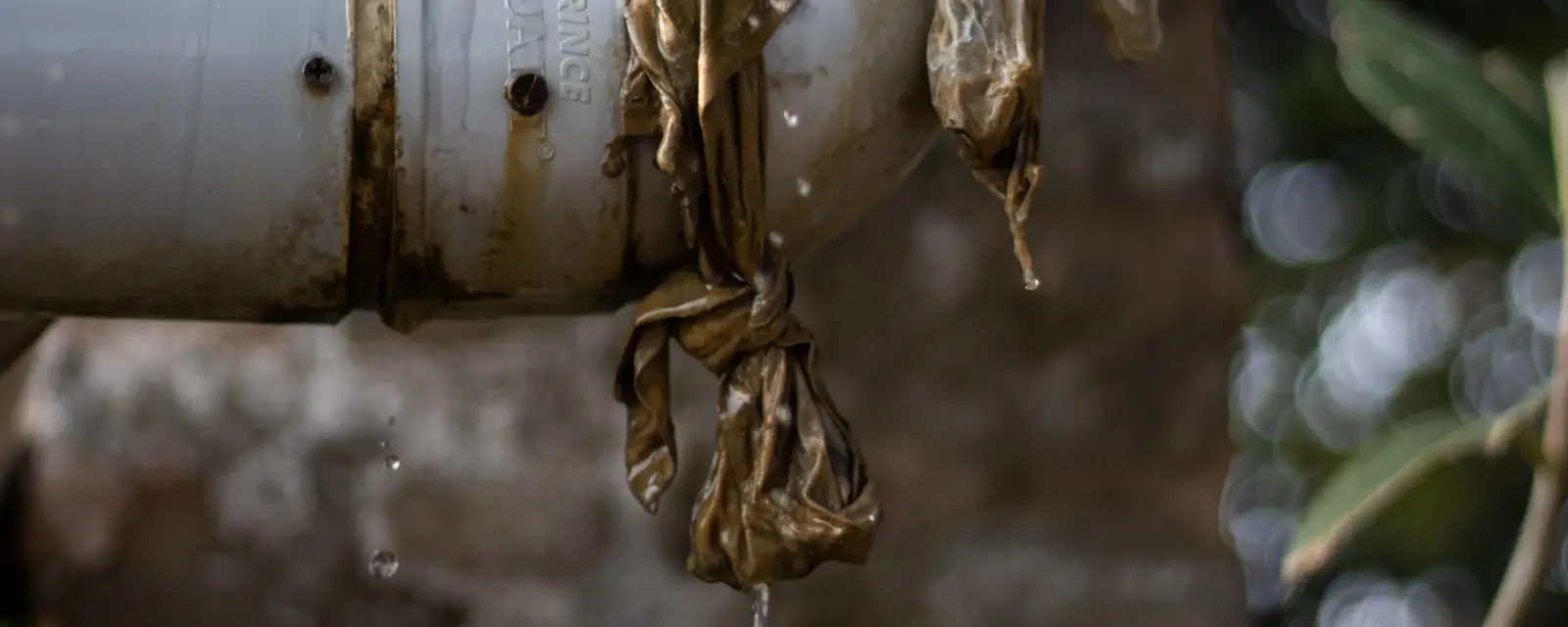
When a burst pipe is an emergency
A burst pipe in Millburn, NJ does damage every minute the water runs, so call the 24/7 line for burst pipe repair as soon as you see it. While you wait, close the main water valve, keep everyone out of the wet room, and leave the breaker panel alone if reaching it means standing in water.
Signs a pipe has burst or cracked
- Water spraying, dripping or pooling with no obvious source
- A ceiling stain that is growing or sagging
- Sudden low pressure or no water at the faucets
- The sound of running water with every fixture off
- A water meter that keeps moving after you shut everything off
Calls come at night and on weekends more than most people expect, because pipes tend to fail when nobody is watching, often in a cold snap. After hours, the 24/7 line is answered and a licensed plumber is dispatched. Nobody can promise an arrival time, so the steps below matter.
Once the water is off, the plumber finds the split, cuts out the damaged section and joins new pipe in its place. Same-day repairs are common when the parts allow it. Wet drywall, insulation and flooring are a separate job, and your insurer may want photos first.
Shut off the water in this order
Do these steps, in this order
- Close the main shutoff, usually where the line enters the house and often near the meter in a basement or utility room. A round handle turns clockwise to close, and a lever closes with a quarter turn.
- Open a faucet at the lowest point in the house to drain the lines, then one upstairs so air can enter.
- Switch off the water heater's power at the breaker, or set a gas heater's control to pilot or off, so it does not heat an empty tank.
- Stay out of standing water if outlets, cords or appliances are in it. If the breaker panel is on dry floor and dry hands can reach it, switch off the circuits for the wet area. A wet panel needs an electrician or 911, not you.
- Move valuables up, set out buckets and towels, and photograph the damage for your insurer.
- Call the 24/7 line and describe where the water is coming from, what the pipe is made of if you know, and whether the main is closed.
Leave the curb stop alone
The valve at the curb belongs to the water utility's side of the line. Use the main shutoff inside the house, and if the house valve will not close, tell us on the call.
Water running right now?
Close the main valve, then call. A licensed plumber is on the 24/7 line, and same-day repair is offered when parts allow.
Cracked or broken pipe repair
A cracked pipe is often not a sudden event. Corrosion thins the wall over years, a fitting loosens from vibration or movement, a nail or a renovation tool nicks a line, or water pressure runs high enough to stress old joints. Others split because ice formed inside them. Whatever the cause, a crack tends to open further, so treat it as urgent.
The plumber cuts out the damaged length, not just the visible split, because the metal beside a crack is usually weak too. New pipe goes in with proper fittings, and the repair is pressure checked before walls are closed. A clamp or slip coupling can stop water as a short-term fix, but it is not a substitute for replacing a bad section.
Find several cracks or pinholes along one run and the real answer changes. A pipe that fails in more than one place is telling you the whole run is near the end, and repiping that run is usually a better use of money than a string of patches. When the location is unclear, leak detection pins it down before anyone opens a wall.
Water pressure matters here. A pressure that is too high, or a pressure spike when a valve closes quickly, stresses every joint in the house. The plumber can check pressure at a hose bib with a gauge and tell you whether a regulator or expansion control needs attention.
Matching the repair to the pipe
Pipe leak repair
A slow leak shows up as a stain, a musty smell or a meter that creeps. A plumber traces it, shuts off that branch, and repairs or replaces the pipe or fitting. The wall may need to be opened, and the opening is kept as small as the repair allows.
Copper pipe repair
Copper fails at joints, at pinholes and where it has split from freezing. The repair is a cut-out and a new section joined with soldered or press fittings. The Short Hills water report names corrosion of household plumbing as the typical source of copper in tap water, which is a reminder that pipes wear from the inside, so a pinhole deserves a look at the rest of the run.
Drain pipe repair
Drain lines carry no pressure, so a crack leaks only when water flows through it. Look for a stain that grows after a shower or a washer cycle. The fix is cutting out the cracked section and joining new pipe, and if the damage is out in the yard line it becomes a job for sewer line repair.
Burst pipe repair
A burst pipe has opened up under pressure, usually from freezing or a failed joint. After the main is closed, the plumber replaces the burst section, checks the connected fittings for damage, restores the water slowly and watches for new leaks.
| Pipe | How it commonly fails | Usual repair |
|---|---|---|
| Copper supply | Pinholes, split from freezing, loose joints | Cut out and rejoin with a new section |
| Galvanized steel | Corrosion from inside, rough clogged threads | Replace the run, patches rarely last |
| Plastic supply | Cracked fitting, split from impact or freezing | Replace the damaged piece and fitting |
| Drain line | Cracked or separated joint, root or settling damage | Cut out and rejoin, or replace the section |
| Cast iron stack | Rust-through, cracked hub, failed joint | Sleeve or section replacement |
Frozen pipes, thawing and prevention
Water expands as it freezes, and that is why pipes split. The split usually forms between the ice plug and a closed faucet, where the trapped water has nowhere to go, so the damage can sit well away from the ice itself. Pipes in exterior walls, unheated garages, crawl spaces and outdoor hose bibs are the usual victims.
To thaw a pipe, open the faucet it feeds so melting water has a path out. Warm it gently with a hair dryer, a heating pad or warm towels, starting nearest the faucet and working back. Never use a torch or open flame. If you cannot find the frozen section, or water is already showing, close the main and call.
A thawed pipe can still be a cracked pipe
Once ice melts, a hidden split starts to leak. Keep the main valve closed if you see a stain or hear water, and call the 24/7 line. Night and weekend freeze calls are exactly what that line is for.
Before the next freeze
- Disconnect garden hoses and close the indoor valve to outdoor spigots
- Insulate pipes in unheated spaces and seal drafts near them
- Keep the heat on when you travel
- Let a faucet drip during a hard freeze
- Know where your main shutoff is before you need it
What decides whether a pipe freezes is its position in your own house. A line in an exterior wall or a crawl space, with little insulation and a draft nearby, is the one to protect first.
Cast iron drain stacks
Older homes may have a cast iron drain stack, the vertical pipe that carries waste down from the upper floors. Cast iron rusts through from the inside, cracks at hubs and loosens at lead joints. A sleeve is a rubber and steel coupling clamped over a short bad spot, while section replacement cuts out the failed length and joins new pipe with no-hub couplings.
NJ American Water replaced about 200 feet of 12-inch cast iron main installed in the 1920s on Oakland Road in Maplewood. That was the utility's pipe under the street, not your stack, so a stack needs its own inspection. Check what material your drain pipes are before assuming anything.
After the repair
Stopping the water is half the job. Wet drywall, insulation and flooring need to dry out, and water left in a wall can lead to mold. Call your insurer early, keep your photos, and ask what they require before you throw anything away.
What shapes the price of a pipe repair
No two burst pipes are the same, and several things move the final number.
Homeowner insurance often covers sudden water damage from a burst pipe, but often not wear, long-term leaks or neglect. Check your policy and ask your insurer early.
Call for a clear price before work starts.
Frequently asked questions
Yes. The 24/7 line is answered at any hour, including nights, weekends and holidays, and a licensed plumber is dispatched. No one can promise an arrival time, so close the main valve while you wait.
Close the main shutoff, open a low faucet to drain the lines, and keep clear of wet outlets and appliances. Then call the 24/7 line and describe the source of the water.
No. Stay out of standing water that reaches outlets, cords or appliances. If your panel is on dry floor, switch off the affected circuits. A wet panel needs an electrician or 911.
Often yes, if the pipe is not already leaking. Open the faucet and warm the pipe gently with a hair dryer or warm towels, never a flame. If water appears or you cannot find the ice, close the main and call.
Look for stains, damp drywall, warm spots on a floor and a meter that moves with everything off. A plumber can confirm the spot with leak detection before opening the wall.
Sudden damage from a burst pipe is often covered, but wear and long-term leaks often are not. Check your own policy, and photograph everything before cleanup.
Yes. Short Hills 07078 sits inside Millburn Township, and our home ZIP is Millburn 07041. Call the 24/7 line and give the address.
If sewage is leaking into the house it is urgent, so stop using water and call. A slow weep at a hub can usually wait for the next available visit.
Still have a question? Call the 24/7 line and talk it through with a dispatcher.