
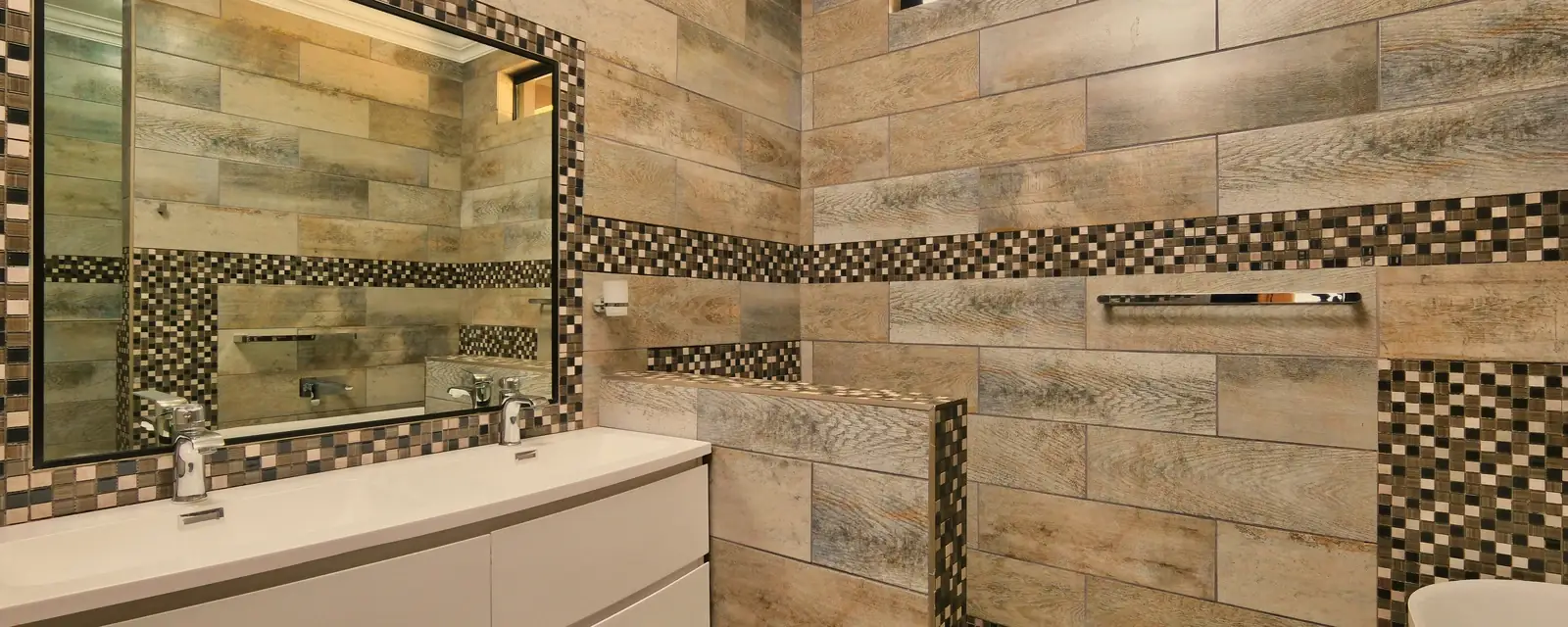
Planned plumbing installation in Millburn, NJ
Plumbing installation in Millburn, NJ is planned work, so you get to pick the fixture, the layout and the day. Our licensed plumbers set faucets, toilets, tubs, shower valves, sinks and supply lines, and they run new pipe behind the wall when a room changes. The useful part is deciding well before the first cut.
A good install starts with a walk-through of what is already there. The location of the main shutoff, the supply pipe material, the way the drain is vented and the distance to the new fixture all shape the job. A swap that looks simple can turn into a drain relocation once the wall is open.
Same-day appointments are offered when the schedule allows, and the price is clear before work starts. A leak or backup that cannot wait is a different call, so use the 24/7 line for that and book the install once things are dry.
New fixtures, bathrooms and kitchens
A fixture swap is the smallest job. Toilets, vanities, kitchen sinks, faucets, disposals and dishwasher hookups come off and go on at existing connections, and the plumber checks the stop valves and supply lines while the cabinet is empty. Stop valves that will not close are the usual surprise, and replacing them at that moment is easy.
A new bathroom or kitchen is a different scale. The plumber lays out supply and drain lines, sets the tub or shower valve at the right depth before tile goes up, and sizes the drain and vent for the fixtures they serve. Tile, drywall and cabinets all follow the plumbing, so the rough-in has to be right first.
Have the fixtures, or at least their spec sheets, chosen before demolition. Rough-in dimensions come from the fixture itself, and a wall opened to the wrong measurement is slow and messy to correct.
| Job | What gets set or connected | Decide first |
|---|---|---|
| Toilet or vanity swap | Stop valve, supply line, seal, drain connection | Rough-in distance from the wall |
| Kitchen sink and faucet | Supply lines, trap, disposal and dishwasher hookups | Cabinet depth and bowl layout |
| New shower or tub | Valve body, drain, overflow, vent | Valve depth and wall material |
| Added bathroom | New supply branches, drain and vent tied to existing lines | Where the nearest drain and vent run |
| Laundry or utility sink | Supply stops, standpipe or trap, drain | Drain height for the machine |
Planning a bathroom, kitchen or new fixtures?
Call to talk through fixtures, shutoffs and layout with a licensed plumber and book a same-day appointment when one is open.
Shutoff valves and supply connections
Every fixture should have its own stop valve, and the house needs a main shutoff you can find in the dark. Older multi-turn gate valves wear and seize, while quarter-turn ball valves show at a glance whether they are open or closed. Swapping a seized valve during a planned visit beats discovering it during a leak.
The water utility owns the line from the main to the curb stop, and the homeowner owns it from there into the building. NJ American Water began its lead service line program in Millburn in August 2024, so ask to look at the pipe material where the line enters your house. If it is lead or galvanized, contact the utility before paying anyone to replace your side.
An old galvanized run inside the house is a different question. Repiping is the planned fix when the pipe itself is the problem, and a new shutoff is a good first step.
A new water heater needs its own shutoff and connections too, which is part of water heater installation. If the house is heated by a boiler, any bathroom addition also touches the heating loop, and an existing problem there is a job for boiler repair before new work goes on top.
Gas line work starts with a safety rule
Smell gas? Leave first.
Exit the building immediately and move at least 350 feet away. Then call PSE&G at 1-800-880-PSEG (7734) or 911. Reporting a leak is free. Call us only after you are safe and the utility has cleared the area.
A plumber is not the first call for a suspected gas leak, and no honest plumber promises how fast they will arrive. PSE&G and 911 come first. Repairs to house piping are planned work that follows once the scene is safe, and nobody should tighten a gas fitting by hand to see if the smell goes away.
Gas line inspection and installation covers new runs to a range, dryer, fireplace, grill or generator, plus a check of existing piping, joints and shutoff valves after a renovation or a new appliance. The plumber sizes the pipe to the appliance load and pressure tests the finished run. Ask the Millburn building department which permits apply before the work is scheduled.
Water softeners and filtration, tested before sized
The Short Hills water system's own 2025 report lists total hardness from 52 to 342 mg/L. That is a wide spread, so your tap can differ from a neighbor's, and nobody should size a softener until your water has been tested. A test kit or a lab test tells you where you actually sit.
A softener swaps calcium and magnesium for sodium or potassium, which cuts scale on fixtures, glass and heater elements. It does not disinfect water, remove lead, or take out chlorine taste. A carbon filter handles taste and odor, and a filter meant for lead must say so on its certification label.
Before a softener or filter goes in
- Test your own tap hardness before shopping
- Decide what problem you are solving, scale or taste
- Leave room for a bypass valve and a drain for regeneration water
- Ask your doctor if sodium intake is a concern
- Plan the heater connection, since scale shortens a heater's life
The plumber's part is the piping, a bypass, the drain connection and a power outlet nearby. Hard water also builds scale inside a tank, so mention your results when you book a new water heater.
New construction rough-in
In a new build or a gut renovation the plumbing goes in twice. Rough-in comes first, with drains, vents and supply lines run through open framing before insulation and drywall. Trim comes last, when fixtures are set. Inspections happen while the walls are open, which is the cheap moment to catch a mistake, so ask the Millburn building department about the steps for your project.
Permits and checking a plumber's license
New Jersey's plumbing subcode is based on the National Standard Plumbing Code. Permit needs depend on the scope of the job, and permit rules vary, so ask the Millburn building department before work starts. Rules also differ by town, so a neighbor's experience in Livingston does not carry over.
Plumbing contractors in New Jersey are licensed through the State Board of Examiners of Master Plumbers, part of the Division of Consumer Affairs. Any homeowner can verify a plumber's license with the board at njconsumeraffairs.gov before signing anything. Do it for every contractor, including us.
What shapes the price of an install
The price of an install moves with the details of the job and the house.
Planned upgrades are usually not covered by homeowner insurance because there is no sudden loss. Check your policy if an install follows storm or water damage.
Call to describe the job and get a clear price before work starts.
Frequently asked questions
Yes. That means supply lines, drains, vents and the tub or shower valve, set before tile and drywall go up. Bring your fixture choices so the rough-in dimensions are right.
It depends on the scope, and permit rules vary, so ask the Millburn building department before work starts. A like-for-like faucet swap and a new bathroom are not treated the same way.
Plumbing contractors are licensed through the State Board of Examiners of Master Plumbers. You can look up any plumber with the board through njconsumeraffairs.gov. Do that before you sign.
Leave the building right away, move at least 350 feet away, and call PSE&G at 1-800-880-PSEG (7734) or 911. Reporting is free. Gas piping repair is planned work after the utility clears the scene.
A plumber can pipe in a softener with a bypass and a drain. The need depends on your own tap, since the utility's 2025 report shows hardness from 52 to 342 mg/L. Test first.
Same-day appointments are offered when the schedule allows. Fixture swaps often fit in one visit, while new bathrooms and rough-in work run over several visits as other trades follow.
Yes, or at least pick the exact models. Rough-in size, valve depth and drain location come from the fixture itself, and changing it after the wall is open costs time.
Still have a question? Call the 24/7 line and talk it through with a dispatcher.